
When Transportation Becomes a Workforce Barrier
A job isn’t an opportunity if you can’t get there.
We talk a lot about getting people into the workforce. We invest in training. We help people build resumes and prepare for interviews. We connect job seekers with employers. But what happens after someone gets the job?
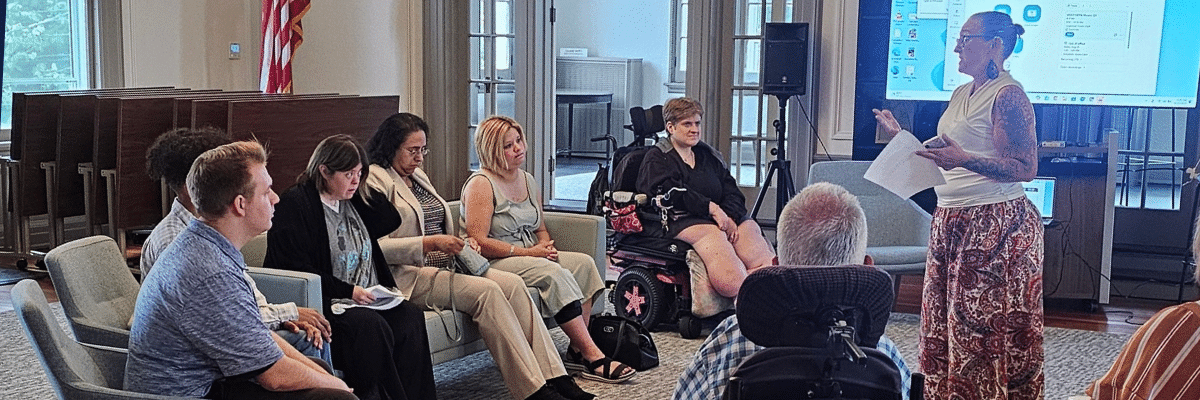
During a recent NEPA Moves conversation about transportation, one participant who works in workforce development spoke about the people he encounters who genuinely want to work. They’re looking for opportunity, a paycheck, the independence that comes with employment. And sometimes he can connect them with an employer willing to give them that chance. Then comes a very practical question: how will you get there?
Imagine being offered a job and having to turn it down, not because you aren’t qualified or willing, but because the shift ends after the last bus can get you home. Or imagine accepting the job and piecing together transportation every day, knowing one missed ride could mean being late, calling off, or eventually losing the position you worked to get.
Making it work, one ride at a time
For some workers, that isn’t hypothetical. Another participant talked about her own experience working Sundays, when regular public transportation isn’t available. She makes it work: sometimes she walks about 45 minutes, sometimes she arranges a ride with a coworker. But what made her story powerful was that she recognized something herself: that having those options is a privilege. She also sees people around her who don’t have those choices. Coworkers have called off because they couldn’t get there. Others have left jobs or lost them. Some don’t have anyone they can call for a ride.
Even asking carries a cost. Can you pick me up? Can you take me home? Can you get me after my shift? At some point, transportation isn’t just about getting to work. It becomes part of whether a person can maintain the independence that having a job was supposed to provide in the first place. And when the bus isn’t available, a rideshare or taxi can take a meaningful bite out of a paycheck someone worked hard to earn.
Why employers should care
That should matter to employers, too. When a worker has to turn down a position, call off, or leave a job because transportation isn’t available, the worker isn’t the only one who loses. At a time when businesses across our region are talking about how hard it is to recruit and retain employees, we should ask whether some of the people we’re looking for are already here, and whether transportation is standing between them and the jobs we need filled.
Workforce development can prepare someone for a career. An employer can open the door. A person can do everything we ask: develop skills, apply, interview, show up ready to work. But opportunity still has to be reachable. A job isn’t truly an opportunity if the person willing to do it has no realistic way to get there and back home again.
The panel conversation also included information from Transit for All PA about Week Without Driving PA, a statewide initiative taking place October 1–8. To learn more and explore how you can participate in WWD PA, visit weekwithoutdrivingpa.org.